Detailed Guide to How Duct Cleaning Helps Allergy Sufferers with Pets
Gray Duct
Discover how duct cleaning helps allergy sufferers with pets by removing dander buildup from Twin Cities HVAC systems for fresher indoor air.
Why Pet Owners in the Twin Cities Struggle with Indoor Allergies — And What Actually Helps
How duct cleaning helps allergy sufferers with pets comes down to one core idea: your HVAC system is constantly moving air — and everything in it — through every room in your home. If you share your space with a dog, cat, or any furry companion, that air carries pet dander, microscopic skin proteins, and fur particles that settle deep inside your ductwork. Every time your furnace or air conditioner kicks on, those allergens get blown right back into the rooms where you live and breathe.
Here is a quick summary of how duct cleaning helps:
- Removes the allergen reservoir — Professional cleaning extracts built-up pet dander, dust, and debris from inside your duct system so it stops recirculating
- Reduces airborne particulates — A 2018 study found professional duct cleaning reduced airborne particulate concentrations by 30–50%, including pet dander
- Breaks the dust mite cycle — Pet dander is a primary food source for dust mites, which thrive in 84% of U.S. homes according to the NIH; removing dander helps starve those colonies
- Improves HVAC efficiency — Clean duct systems run up to 20% more efficiently, meaning less strain and better airflow through your filters
- Works best as part of a strategy — Duct cleaning is most effective when paired with upgraded HVAC filters, regular pet grooming, and HEPA vacuuming
The EPA reports that indoor air can be 2 to 5 times more polluted than outdoor air — and Americans spend roughly 90% of their time indoors. For the 15% of people who deal with pet allergies, that math matters a lot.
This guide covers everything Twin Cities homeowners need to know: why pet dander builds up so quickly in ductwork, what the science says about cleaning it out, how often you should schedule service, and what else you can do to lower your total allergen load at home.
I’m Jason Giandalia, founder of Gray Duct Heating, Cooling & Air Duct Cleaning, a NADCA-certified ASCS professional with hands-on experience inspecting and cleaning thousands of duct systems across the Twin Cities metro — many of them in homes where understanding how duct cleaning helps allergy sufferers with pets has made a real, measurable difference in how families feel day to day. In the sections below, I’ll walk you through the science, the process, and the practical steps that actually work.
The Science of Pet Allergens and HVAC Systems
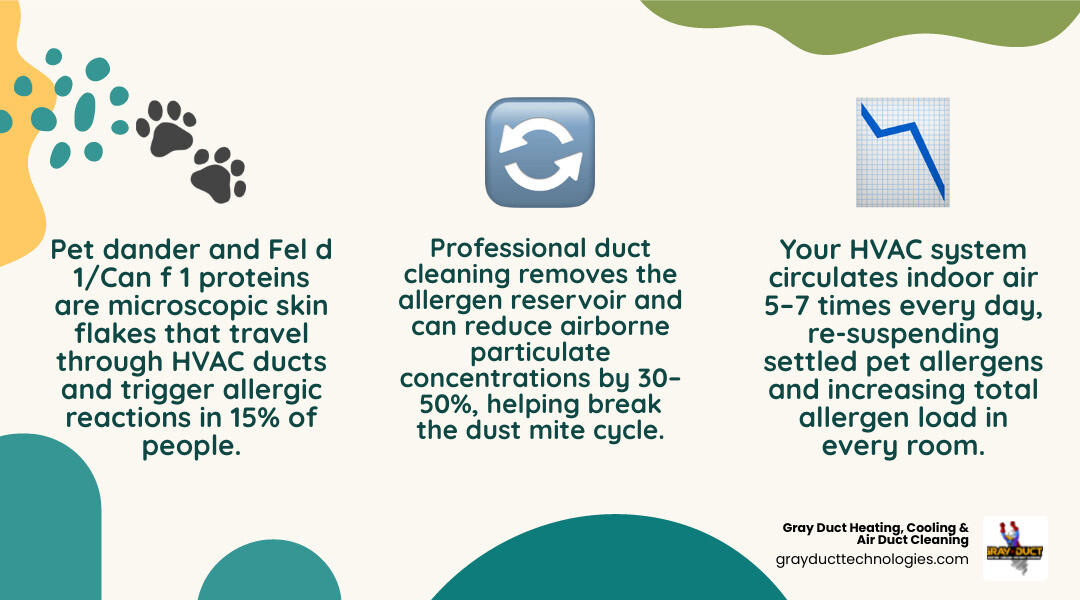
To understand why pet allergies flare up so aggressively indoors, we have to look closely at what actually causes the reaction. Many people believe they are allergic to pet hair itself. In reality, pet hair acts primarily as a vehicle. The true culprits are microscopic skin flakes known as pet dander, along with specific proteins found in animal saliva and urine (such as Fel d 1 in cats and Can f 1 in dogs).
Because these allergen particles are incredibly small—often measuring 2.5 microns or less—they can remain suspended in the air for hours. Eventually, gravity pulls them down, or your HVAC system pulls them in.
When your heating and cooling system runs, it circulates the air in your home multiple times a day. This constant airflow draws airborne dander directly into the return vents. Once inside, static electricity and moisture turn your metal ductwork into a magnet for these tiny, sticky particles. Over months and years, this creates a thick, unseen layer of biological debris.
This hidden accumulation is a major driver of chronic symptoms. To learn more about how these hidden particles affect your home, check out our article on The Dirty Truth About Your Home’s Air Quality.
Furthermore, this dander accumulation doesn’t just sit there in isolation. It acts as a primary food source for dust mites. According to a study by the National Institutes of Health (NIH), a staggering 84% of U.S. homes have detectable dust mite levels, and more than 20 million Americans suffer from dust mite allergies. By allowing pet dander to pile up inside your ventilation system, you are essentially providing an endless buffet that keeps dust mite colonies thriving right inside your walls. For a deeper look at how these biological contaminants impact your respiratory wellness, read about How Indoor Air Quality Affects Health.
How Pet Dander Accumulates in Ductwork
Every single day, your HVAC system circulates the air in your home roughly 5 to 7 times. As this air moves, it carries pet dander deep into the supply and return lines.
Because the air friction inside metal ducts generates static electricity, the lightweight dander particles literally cling to the interior walls of the ductwork. This static cling is particularly stubborn in older homes with galvanized steel ducts—common in historic neighborhoods across Saint Paul, Minneapolis, and older suburbs like Edina or Hopkins. Over time, the inner surfaces of these older ducts become slightly corroded or roughened, making it even easier for dander, fur, and dust to latch on and resist normal airflow.
The Synergistic Effect of Dander and Dust Mites
When pet dander settles inside your dark, temperature-regulated ductwork, it creates a perfect micro-environment for dust mites. Dust mites don’t drink water; they absorb moisture from the air, meaning standard indoor humidity levels are more than enough to keep them active.
As they consume the shed skin cells of your dogs and cats, they produce microscopic waste particles that are highly allergenic. Every time your furnace or air conditioner cycles on, these dust mite fragments and dander proteins are blasted into your living spaces, compounding your allergy symptoms. Removing this food source is a critical step in restoring a healthy home environment, as detailed in our guide on Air Duct Cleaning for Indoor Air Quality.
How Duct Cleaning Helps Allergy Sufferers with Pets
So, how exactly does professional air duct cleaning solve this problem? The answer lies in a process called “source removal.” True professional duct cleaning does not involve simply sticking a household vacuum hose down your registers. Instead, it requires specialized, high-powered equipment designed to clean the entire system under negative pressure.
When our certified in-house team performs a cleaning, we connect a truck-mounted vacuum system to your main trunk lines. This creates a powerful, continuous downward pull (negative pressure) throughout your entire ductwork. While the vacuum is running, we use mechanical agitation tools—such as compressed air whips and specialized rotary brushes—to physically dislodge the sticky dander, hair, and dust clinging to the duct walls. Because the system is under negative pressure, all the dislodged particles are pulled directly out of your home and into our truck’s medical-grade HEPA filtration system, preventing any of the allergens from escaping into your living rooms.
This method is backed by solid scientific evidence. A 2018 study found that professional duct cleaning reduced airborne particulate concentrations by 30% to 50%, including mold spores, dust mite fragments, and pet dander. For families dealing with severe respiratory sensitivities, this reduction is a game-changer. Discover more about the science-backed relief this service offers by reading our article on Air Duct Cleaning for Allergy Relief.
Understanding How Duct Cleaning Helps Allergy Sufferers with Pets by Removing the Allergen Reservoir
Without professional intervention, your ductwork acts as a massive “allergen reservoir.” Even if you vacuum your carpets and dust your furniture daily, the moment your HVAC system turns on, it stirs up settled, re-entrainable particles from inside the vents and pushes them back into the air.
By physically removing this reservoir, you stop the cycle of constant re-contamination. As an added benefit, clearing out these thick mats of dust and pet hair restores unobstructed airflow. According to the U.S. Department of Energy, clean and unobstructed HVAC systems run up to 20% more efficiently, which is a major financial plus for pet owners whose furry friends contribute to faster system build-up. Learn more about these dual benefits in our post on the Health Benefits of Clean Air Ducts.
The Role of Sanitization in How Duct Cleaning Helps Allergy Sufferers with Pets
While mechanical agitation and high-powered vacuuming remove the vast majority of physical debris, microscopic pet proteins (like Fel d 1 and Can f 1) can sometimes leave behind a residue on a molecular level. This is where professional duct sanitization comes in.
After we physically clean the ducts, we can apply an EPA-registered antimicrobial sanitizer throughout the system. This fine mist neutralizes lingering allergen proteins and eliminates the biological growth that feeds on dander. It also targets the source of stubborn, musty pet odors, leaving your home smelling genuinely fresh rather than just masked by artificial fragrances. For a detailed breakdown of this specialized step, explore our resource on Air Duct Cleaning for Pet Owners.
A Multi-Layered Strategy for Pet-Friendly Indoor Air Quality
To achieve the best possible allergy relief, duct cleaning should not be viewed as a single “cure-all” magic wand. Instead, it should serve as the foundational reset button of a broader, multi-layered indoor air quality strategy.
To maintain clean air long after our technicians leave your home, you must pair clean ducts with upgraded HVAC filtration, smart grooming habits, and consistent surface cleaning. For a comprehensive look at how these elements work together, read our guide on Air Duct Cleaning for Improved Indoor Air Quality.
Optimizing HVAC Filtration for Pet Homes
Your HVAC filter is your system’s daily shield. However, many pet owners use cheap, fiberglass filters (typically rated MERV 1 to 4) that only exist to keep large dust bunnies from damaging the furnace fan. These basic filters do absolutely nothing to stop microscopic pet dander.
For pet households, we recommend upgrading to a pleated filter with a MERV (Minimum Efficiency Reporting Value) rating of 8 to 11. A MERV 11 filter strikes the perfect balance: it is dense enough to capture microscopic pet dander and dust mite debris, yet breathable enough that it won’t restrict your furnace’s airflow or cause system strain.
| Filter Type / MERV Rating | Particle Size Captured | Effectiveness Against Pet Dander | Recommended Replacement Interval (Pet Homes) |
|---|---|---|---|
| MERV 1–4 (Basic Fiberglass) | > 10.0 microns | Extremely Poor (Captures only large hair/lint) | Every 30 days |
| MERV 8 (Standard Pleated) | 3.0 to 10.0 microns | Moderate (Captures some dander and dust) | Every 45–60 days |
| MERV 11 (High-Efficiency Pleated) | 1.0 to 3.0 microns | Excellent (Traps microscopic dander and pollen) | Every 30–45 days |
| MERV 13 (Premium Pleated) | 0.3 to 1.0 microns | Outstanding (Traps bacteria and smoke; check system compatibility) | Every 30 days |
While MERV 13 filters offer even tighter filtration, they can sometimes act as a bottleneck for airflow in older residential systems, potentially leading to frozen A/C coils or cracked heat exchangers. Always consult an in-house certified technician to ensure your system can handle a higher MERV rating. To understand how upgraded filtration complements clean ductwork, check out our article on Improving Allergy Symptoms Through Cleaner Air Ducts.
Daily and Weekly Maintenance Habits
To prevent your clean ducts from quickly filling back up with pet debris, establish these simple habits:
- Groom Pets Regularly: Brush your dogs and cats frequently—ideally outdoors or in a designated room with easy-to-clean flooring. Regular baths help neutralize dander proteins before they become airborne.
- Vacuum with HEPA Filters: Use a vacuum cleaner equipped with a sealed HEPA filter at least twice a week. Standard vacuums without HEPA filters often blow fine dander particles right back out through their exhaust, making them airborne again.
- Clean Floor Registers and Vent Covers: Dust and vacuum your register grilles every two weeks. Floor registers are notorious for trapping falling pet hair, which can easily slip into the ductwork if left uncleaned. For tips on keeping these entry points clear, read our post on Alleviating Allergies: Vent Cleaning.
Frequently Asked Questions About Pet Allergies and HVAC Systems
How often should pet owners have their air ducts cleaned?
While standard households without pets can typically go 3 to 5 years between professional cleanings, homes with pets require a shorter timeline. If you have dogs or cats, we recommend scheduling professional air duct cleaning every 1 to 2 years.
If you have multiple pets, heavy-shedding breeds (like Golden Retrievers, German Shepherds, or Huskies), or family members with diagnosed asthma or severe allergies, an annual inspection is the safest bet to keep dander accumulation under control. To learn more about why keeping to this schedule is so important for your system’s longevity, read our article on Why Professional Air Duct Cleaning Matters.
What are the signs that my ducts have accumulated pet dander?
Keep an eye out for these common warning signs:
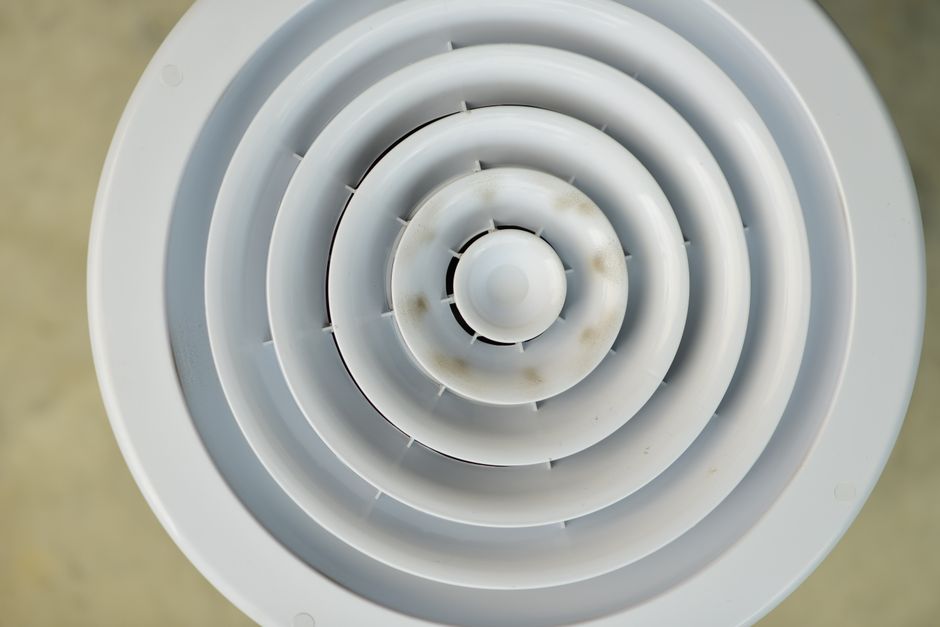
- Visible Gray Fur on Vent Grilles: If you notice fuzzy, gray mats of dust and hair clinging to your supply or return registers, your ductwork is likely heavily loaded.
- Musty Pet Odors: A distinct, lingering dog or cat odor that intensifies the moment your heating or cooling system starts up.
- Frequent Dusting Needed: If a thick layer of fine dust settles on your furniture just hours after you’ve cleaned, your HVAC system is likely recirculating settled debris.
- Unexplained Allergy Flare-ups: Increased sneezing, watery eyes, or nighttime congestion when you are relaxing indoors.
Can duct cleaning alone cure my pet allergies?
No, duct cleaning is not a medical cure for pet allergies. Because your pets are constantly shedding new dander every single day, it is impossible to eliminate allergens entirely.
However, duct cleaning is highly effective at reducing your home’s “total allergen load.” By removing the massive reservoir of built-up dander inside your vents, you prevent the constant recirculation of old allergens. This drops the overall particulate count in your home, helping your body stay below the threshold that triggers painful allergy attacks.
Conclusion
Living with pets shouldn’t mean sacrificing your respiratory health and comfort. Understanding how duct cleaning helps allergy sufferers with pets is the first step toward reclaiming a clean, fresh, and allergy-friendly home. By removing the hidden reservoirs of dander, hair, and dust mites from your ventilation system, you can breathe easier, reduce your daily allergy symptoms, and keep your heating and cooling system running at peak efficiency.
At Gray Duct Heating, Cooling & Air Duct Cleaning, we are proud to be a family-owned business deeply rooted in the Twin Cities and South Metro area. From Minneapolis and Saint Paul to surrounding communities like Bloomington, Plymouth, Woodbury, Eagan, and Lakeville, we serve our neighbors with a dedicated, in-house certified team. We never use third-party sub-contractors, meaning you can always count on consistent, high-quality workmanship and honest, friendly service.
Ready to clear the air in your home and get relief from persistent pet allergies? Schedule Air Duct Cleaning Services with our expert team today to discuss your home’s air quality needs.
Need HVAC Help?
Our NADCA-certified technicians are ready to help with all your heating, cooling, and air quality needs.
Get Free EstimateMore Articles
 HVAC Tips
What to Do When Your AC and Furnace Share the Same Air Filter
 HVAC Tips
Addressing Drafty Rooms Before Winter: Duct Sealing vs. Window Replacement
 HVAC Tips
Dryer Vent Routing: Rigid Metal vs. Flexible Foil in Cold Climates
 HVAC Tips
Why We Inspect the Heat Exchanger So Closely During Fall Maintenance
 HVAC Tips
Upgrading to a Two-Stage Furnace: Is the Investment Worth It in Minnesota?
Related Articles
Ready to Get Started?
Whether you need a repair, maintenance, or a new system installation, our expert team is here to help.