Everything You Need to Know About System Fogging Benefits
Gray Duct
Discover how system fogging benefits indoor air quality by eliminating mold, allergens, and pathogens throughout your HVAC system.
How Antimicrobial Fogging Disinfects Your HVAC System
Indoor Air Quality (IAQ) has become more than just a buzzword; it is a critical component of modern home maintenance and public health. As we spend approximately 90% of our time indoors, the air we breathe within our homes and offices can be four to five times more polluted than the air outside.
While traditional filtration is a great start—HEPA filters can dramatically reduce fine-particulate exposure—they often can’t reach the biological contaminants hiding deep within your ductwork. That’s where system fogging comes in.
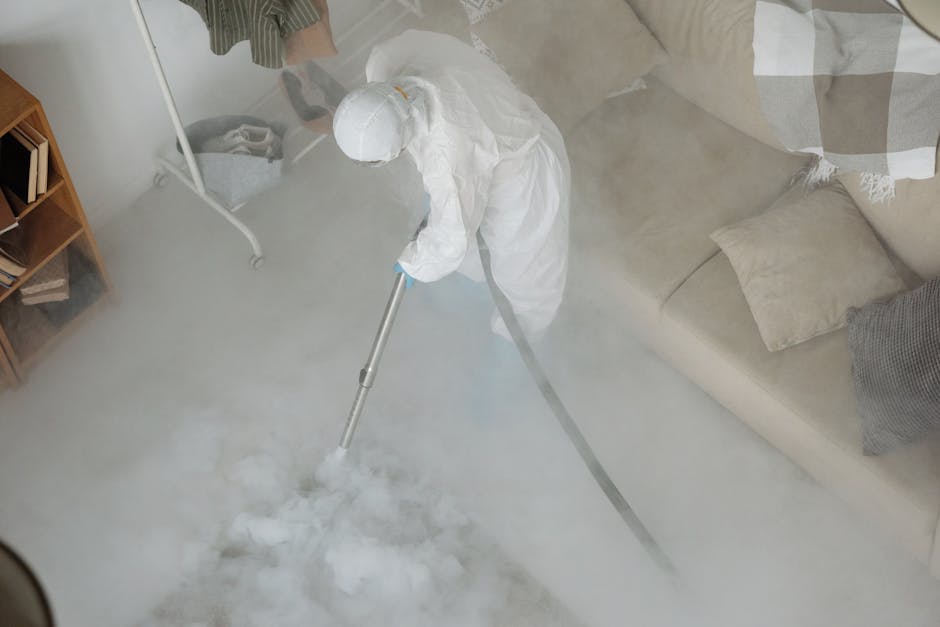
When we talk about system fogging, we aren’t just spraying a bit of air freshener into your vents. It is a sophisticated decontamination process. We use specialized equipment to create an antimicrobial mist consisting of ultra-fine droplets, typically ranging from 1 to 20 microns in size. To put that in perspective, a human hair is about 70 microns wide.
Because these droplets are so small, they behave like a gas. They remain suspended in the air and travel through every twist and turn of your ventilation system, reaching areas that mechanical brushes simply can’t touch. This aerosol dispersion ensures that the disinfectant coats the entire interior surface of your ducts, including the hard-to-reach plenums and turning vanes.
In our guide, Duct Fogging 101: How It Kills Mold and Bacteria, we explain how this mist targets the cellular structure of contaminants. It doesn’t just move the dust around; it neutralizes the biological threats that cause odors and health issues.
The Science Behind System Fogging Benefits for Indoor Air Quality
The primary goal of system fogging is pathogen inactivation. Whether it’s mold spores or bacteria, the antimicrobial agents used in fogging are designed to break down these organisms on contact.
By reducing the overall microbial burden within the HVAC system, we prevent the “washout effect” where air passing through dirty ducts picks up contaminants and distributes them into your living room or bedroom. While HEPA filtration is excellent for trapping particles already in the air, fogging treats the source of the pollution. It addresses the dry surface biofilms that often resist conventional cleaning methods.
Top 5 System Fogging Benefits for Indoor Air Quality
If you’ve ever wondered why your home still smells “musty” even after a deep clean, the answer is likely hiding in your HVAC system. Here are the top five system fogging benefits for indoor air quality:
- Comprehensive Odor Elimination: Unlike candles or sprays that mask smells, fogging eliminates the bacteria and fungi that produce odors at the molecular level.
- Proactive Mold Prevention: Mold loves the dark, damp environment of an HVAC system. Fogging applies an antimicrobial layer that discourages mold growth before it starts.
- Significant Allergen Reduction: By neutralizing pollen, pet dander, and dust mite proteins, fogging provides a much-needed sanctuary for allergy sufferers.
- Enhanced HVAC Efficiency: When your ducts and coils are clean and free of biological buildup, air flows more freely. This reduces the strain on your system and helps it run as intended.
- Prolonged System Lifespan: A system that doesn’t have to fight against restricted airflow or corrosive biological growth lasts longer, saving you from premature replacement.
Maximizing System Fogging Benefits in Residential Spaces
In the Twin Cities, we deal with a wide range of climate factors—from humid summers in Savage to freezing winters in Minneapolis. These fluctuations can lead to moisture buildup in your ducts, creating the perfect breeding ground for dust mites and mold.
For homeowners with pets, dander can accumulate and become a “food source” for bacteria within the ventilation system. If you find yourself sneezing more often during seasonal transitions, it might not just be the outdoor pollen; it could be what’s circulating through your vents. Pair fogging with professional air duct cleaning for the best results.
When to Schedule Professional System Fogging Services
While we often recommend fogging as part of a routine maintenance plan, there are specific “red flag” moments when you should call us:
- After Water Damage: If you’ve had a pipe leak or a flooded basement, moisture has likely entered your HVAC system. Fogging is essential to prevent a mold explosion.
- Post-Construction or Renovation: Drywall dust and sawdust are more than just messy; they can carry irritants and provide a surface for bacteria to grow.
- Moving into a New Home: You don’t know what the previous owners (or their pets) left behind in the ducts. Fogging gives you a clean slate.
- Persistent Musty Odors: If that “old house smell” won’t go away, it’s time to treat the air delivery system.
Comparing Fogging to Traditional Air Duct Cleaning
Is fogging a replacement for traditional cleaning? Not exactly. Think of it as the “sanitization” step after the “scrubbing” step. Here is how they compare:
| Feature | Mechanical Brushing/Vacuuming | Antimicrobial Fogging |
|---|---|---|
| Primary Goal | Removing bulk debris (dust, hair, toys) | Killing microscopic pathogens |
| Reach | Limited to where brushes can physically go | 100% coverage of all air-exposed surfaces |
| Biological Impact | Removes “food” for mold | Actively kills mold and bacteria |
| Odor Control | Moderate (removes smelly debris) | High (neutralizes odor-causing microbes) |
| Residue | Leaves surfaces clean but not sterile | Leaves a thin antimicrobial barrier |
The best results come from combining the two. Brushing removes the “dirt,” and fogging removes the “danger.”
Safety, Frequency, and HVAC Integration
One of the most common questions we get is about the safety of the products used. We use EPA-approved, non-toxic disinfectants that are designed specifically for use in HVAC systems. These solutions are often botanical-based and biodegradable, making them safe for the environment and your family.
When it comes to frequency, we generally recommend an annual treatment for most residential homes in the Twin Cities. For commercial HVAC in high-traffic areas like Roseville or Bloomington, a more frequent schedule might be necessary.
Proper fogging also plays a role in humidity control. By keeping the internal components of your HVAC system clean, you prevent the accumulation of sludge and slime that can interfere with your system’s ability to dehumidify the air during those sticky Minnesota July days.
Frequently Asked Questions about System Fogging
Is system fogging safe for pets and children?
Yes. We prioritize the use of eco-friendly, non-toxic solutions and follow strict protocols, including a specific “dwell time” to allow the mist to settle and evaporate before the system is turned back on. We also ensure proper ventilation after the service.
How often should I have my air ducts fogged?
For a standard home, once a year is the “sweet spot.” However, if you have multiple pets, suffer from severe asthma, or live in a particularly dusty area, you might benefit from bi-annual treatments.
Can fogging help reduce energy costs?
By keeping the air pathways clear of biological growth and ensuring the coils stay clean, your system doesn’t have to work as hard to push air. This reduces system strain and can lead to a noticeable decrease in your monthly utility bills.
Conclusion
At Gray Duct Heating, Cooling & Air Duct Cleaning, we take your air quality seriously. As a family-owned business serving the Twin Cities metro area—from Plymouth to Woodbury and down to Lakeville—we know how important a healthy home environment is. Our in-house certified team handles everything from routine maintenance to advanced system fogging solutions.
Whether you are in Minneapolis, St. Paul, or any of our surrounding communities, we are here to help you breathe easier. Explore our dedicated page on system fogging to learn more.
Need HVAC Help?
Our NADCA-certified technicians are ready to help with all your heating, cooling, and air quality needs.
Get Free EstimateMore Articles
 HVAC Tips
What to Do When Your AC and Furnace Share the Same Air Filter
 HVAC Tips
Addressing Drafty Rooms Before Winter: Duct Sealing vs. Window Replacement
 HVAC Tips
Dryer Vent Routing: Rigid Metal vs. Flexible Foil in Cold Climates
 HVAC Tips
Why We Inspect the Heat Exchanger So Closely During Fall Maintenance
 HVAC Tips
Upgrading to a Two-Stage Furnace: Is the Investment Worth It in Minnesota?
Related Articles
Ready to Get Started?
Whether you need a repair, maintenance, or a new system installation, our expert team is here to help.