Spring AC Preparation and Coil Cleaning 101
Gray Duct
Master spring ac preparation and coil cleaning: Boost efficiency, cut bills, and extend AC life with our DIY guide and expert tips!
Is Your AC Ready for Summer? What Twin Cities Homeowners Need to Know
Spring AC preparation and coil cleaning is one of the most impactful things you can do before the summer heat hits Minnesota. A dirty, neglected system works harder, costs more to run, and is far more likely to break down on the hottest day of the year — exactly when you need it most.
Here is a quick overview of what spring AC preparation involves:
- Turn off power at the thermostat and circuit breaker before doing anything
- Clear debris from around the outdoor condenser unit (maintain at least 2 feet of clearance)
- Clean the condenser coils with a garden hose using low pressure, spraying from the inside out
- Replace the air filter to protect the indoor evaporator coil from dust and allergens
- Flush the condensate drain line with distilled white vinegar to prevent clogs and water damage
- Straighten bent fins using a fin comb to restore proper airflow
- Test the system by running a cooling cycle and listening for unusual noises or odors
Skipping this annual routine has real consequences. Dirty coils can reduce your system’s cooling efficiency by up to 30% and increase energy use by as much as 40%. Over time, a neglected AC can lose up to 5% of its efficiency every single year — and a system that should last 15 to 20 years may give out in as few as 7 to 10.
For Twin Cities homeowners dealing with Minnesota’s heavy spring pollen, cottonwood season, and the swing from cold winters to humid summers, getting your AC ready in spring is not just routine maintenance — it is how you protect your home, your comfort, and your family’s health.
I’m Jason Giandalia, founder of Gray Duct Heating, Cooling & Air Duct Cleaning, and I’ve spent years helping Minnesota homeowners get the most out of their cooling systems through proper spring AC preparation and coil cleaning. In this guide, I’ll walk you through exactly what to do, what to watch for, and when it makes sense to call in a certified technician.

Why Spring AC Preparation and Coil Cleaning is Essential for Your Home
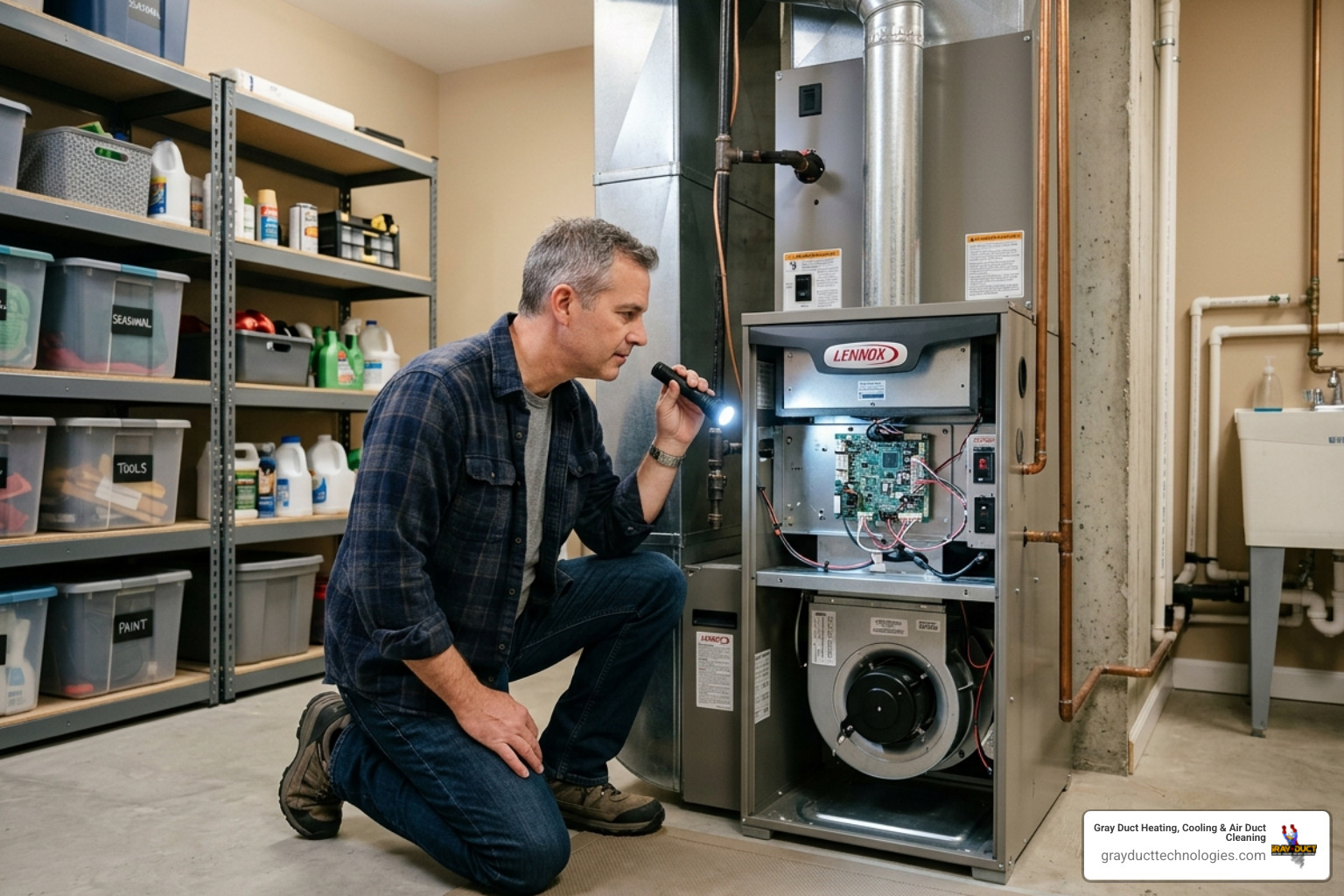
As we transition from the freezing Minnesota winters to the humid summer months in cities like Eagan and Lakeville, your air conditioner is about to go from sitting idle to working 24/7. Spring is the ideal “Goldilocks” window for maintenance because the weather is mild enough to work outside, and you haven’t yet reached the peak summer rush when HVAC technicians are hardest to book.
The primary job of your AC is heat transfer. The indoor evaporator coil absorbs heat from your home, and the outdoor condenser coil releases it. When these coils are covered in a layer of dust, pet hair, or Minnesota cottonwood seeds, they act like a thermal blanket. This prevents heat from escaping, forcing your compressor to run longer and hotter.
Understanding The Importance of A/C Coil Cleaning is the first step toward lower utility bills. When coils are clean, the heat exchange process is seamless. This leads to shorter run times and less wear and tear on expensive components. In fact, A/C Coil Cleaning’s Benefits include extending the lifespan of your unit by up to 40%. Without this care, you’re essentially paying a “neglect tax” every month on your energy bill.
| Maintenance Status | Annual Energy Cost (Estimated) | System Lifespan | Breakdown Risk |
|---|---|---|---|
| Regularly Maintained | Baseline (Save up to 30%) | 15–20 Years | Low |
| Neglected (Dirty Coils) | +40% Increase | 7–10 Years | High |
How can I maximize HVAC efficiency with coil cleaning?
To get the most out of your system, you need to focus on airflow optimization. Every bit of debris on those metal fins restricts the air that needs to blow across the coils. By performing HVAC Efficiency with AC Coil Cleaning, you ensure that your system can breathe. This doesn’t just lower your bills; it improves comfort by allowing the AC to dehumidify your home more effectively. A clean system reaches your target temperature faster, meaning the motor doesn’t have to strain against a “clogged” system.
What are the essential tools for spring ac preparation and coil cleaning?
Before you start, gather these items to ensure a smooth DIY process. Using the right tools prevents damage to the fragile aluminum fins:
- Fin Comb: A specialized tool to straighten bent fins and restore airflow.
- Foaming Coil Cleaner: A biodegradable spray that lifts deep-seated grime.
- Soft-bristle Brush: For gently removing surface dust and spider webs.
- Garden Hose: Use a standard nozzle; never use a pressure washer.
- Screwdriver/Nut Driver Set: Usually 5/16″ or 1/4″ to remove the unit’s top or side panels.
- Vacuum: A shop vac is great for pulling debris out of the base pan.
Following these Effective AC Maintenance Top Tips will set you up for success.
Step-by-Step Guide to DIY Condenser Maintenance
Cleaning your outdoor unit is one of the most rewarding spring chores. It’s “oddly satisfying” to see the winter grime wash away, but safety must come first. Before you touch a single screw, ensure the power is completely disconnected. Most units have a “disconnect box” mounted on the exterior wall of the house near the unit. Pull the plug or flip the switch to “Off.” For extra safety, turn off the breaker at your main electrical panel as well.
This Guide to A/C Coil Cleaning focuses on the outdoor condenser, which bears the brunt of Minnesota’s elements. For a deeper dive into the full system, our Spring HVAC Tune-Up Guide: How to Prepare Your Air Conditioner covers the indoor components as well.
How do I safely clean outdoor condenser coils?
Follow this checklist to ensure your outdoor unit is ready for the heat:
- Clear the Perimeter: Trim back any shrubs, tall grass, or flowers to maintain at least a 2-foot clearance around the unit. This ensures the fan can pull in enough air.
- Remove the Top/Side Panels: Use your nut driver to remove the screws. Be careful not to strain the wires connected to the fan motor.
- Vacuum the Base Pan: You’ll likely find leaves, twigs, and maybe even “dead frogs” or nests at the bottom. Use a shop vac to clear the drainage holes to prevent rust and standing water.
- Dry Brush the Coils: Use a soft brush to remove loose dirt from the outside.
- Apply Foaming Cleaner: Spray the coils thoroughly with a foaming coil cleaner. Let it sit for 5 to 10 minutes (or as directed) to let the chemical action break down sticky oils and grime.
- Rinse from the Inside Out: This is a pro secret. Use your garden hose at low pressure to spray from the inside of the unit outward. This pushes the dirt out of the fins rather than deeper into them.
- Straighten the Fins: If you see flattened areas, use your fin comb to gently “comb” them back into a straight position.
- Reassemble and Restore Power: Once everything is dry, put the panels back on (hand-tighten screws to avoid stripping the metal) and turn the power back on.
This routine is a core part of The Ultimate HVAC Spring Tune-Up Checklist for Homeowners.
What are the signs I need professional spring ac preparation and coil cleaning in the Twin Cities?
While DIY cleaning is great for maintenance, some issues require a certified technician. If you notice AC Service is Overdue Signs, it’s time to call us. Watch for:
- Frozen Coils: If you see ice on the copper lines or the indoor coil, you likely have an airflow restriction or a refrigerant leak.
- Hissing or Banging: These sounds often indicate a leak or a failing compressor.
- Warm Air: If the vents are blowing warm even when the thermostat is set to “Cool,” your coils might be severely impacted or your refrigerant levels are low.
- High Humidity: If your home feels “sticky,” the evaporator coil isn’t properly removing moisture.
Learning How to Prevent Air Conditioner Breakdowns starts with knowing when a professional touch is needed to check electrical connections and refrigerant pressures.
Improving Indoor Air Quality Through Coil Care
We often focus on the outdoor unit because we can see it, but the indoor evaporator coil is just as critical. This coil is where the actual cooling happens, and it is also where mold and bacteria love to grow because of the constant moisture.
When we talk about AC Duct Cleaning Prevent Mold Growth, coil cleaning is a huge part of that conversation. A dirty indoor coil can harbor allergens and pathogens that are then blown throughout your home every time the fan kicks on. This makes Regular AC Duct Cleaning Importance even more apparent for families in Bloomington or Plymouth who suffer from seasonal allergies.
How does cleaning indoor coils affect my health?
The evaporator coil acts like a magnet for dust mites, pollen, and pet dander. If the coil is damp and dirty, it becomes a breeding ground for biological growth. By ensuring the coil is clean, you are directly removing these triggers from your home’s air supply. The Benefits of Regular AC Cleaning include a noticeable reduction in respiratory irritation and a fresher-smelling home.
What is the difference between central AC and mini-split maintenance?
While the physics are the same, the access is different. In a central AC system, the evaporator coil is often tucked away in a dark “A-frame” cabinet above your furnace. In a ductless mini-split, the coils are right behind the front plastic panel of the indoor head. Mini-splits often require more frequent filter cleaning (every 2-4 weeks) but use “no-rinse” foaming cleaners that use the unit’s natural condensation to wash away dirt. Understanding AC Coil Cleaning for your specific system type is key to avoiding accidental water damage to your walls.
Frequently Asked Questions about AC Maintenance
How often should I clean my AC coils?
For most homes in the Twin Cities, once a year in the spring is sufficient. However, if you live in a high-pollen area (like near the wooded lots in Chanhassen) or have multiple shedding pets, you might benefit from a mid-summer check as well. Cottonwood season in Minnesota can clog a condenser in just a few days, so keep an eye on it during June. These Best Air Conditioning Maintenance Tips recommend a visual inspection every month during the cooling season.
Can I use a pressure washer to clean my AC unit?
No. This is the most common mistake homeowners make. The aluminum fins on your coils are incredibly thin and fragile. The high pressure from a power washer will flatten them instantly, permanently blocking airflow and requiring a very tedious (and sometimes impossible) repair with a fin comb. Stick to a gentle “shower” setting on your garden hose.
Why is my energy bill so high in the summer?
If your bills are skyrocketing, dirty coils are the #1 suspect. When coils are dirty, the compressor has to run for 30 minutes to do the work that clean coils could do in 15. This extra run time doesn’t just cost money; it generates heat that can eventually burn out your compressor—the most expensive part of the system. Before the Heat Hits: Why Pre-Summer AC Maintenance Saves You Money by preventing these “overwork” scenarios.
Conclusion
Preparing your air conditioner for the Minnesota summer doesn’t have to be a stressful task. By following this guide to spring AC preparation and coil cleaning, you are taking proactive steps to lower your energy bills, improve your indoor air quality, and ensure your home remains a cool sanctuary during the humid months ahead.
At Gray Duct Heating, Cooling & Air Duct Cleaning, we are a family-owned team of certified technicians dedicated to serving our neighbors across the Twin Cities, from Maple Grove to Woodbury and down to Rochester. We don’t use third-party contractors; our in-house experts handle every inspection and cleaning with the care your home deserves.
If you’re ready to ensure your system is in peak condition, or if you’ve noticed signs like weak airflow or strange noises, we are here to help. Let us handle the deep cleaning so you can enjoy a worry-free summer.
Ready for a cooler, more efficient home? Schedule your professional AC Coil Cleaning with Gray Duct Technologies today!
Need HVAC Help?
Our NADCA-certified technicians are ready to help with all your heating, cooling, and air quality needs.
Get Free EstimateMore Articles
 HVAC Tips
What to Do When Your AC and Furnace Share the Same Air Filter
 HVAC Tips
Addressing Drafty Rooms Before Winter: Duct Sealing vs. Window Replacement
 HVAC Tips
Dryer Vent Routing: Rigid Metal vs. Flexible Foil in Cold Climates
 HVAC Tips
Why We Inspect the Heat Exchanger So Closely During Fall Maintenance
 HVAC Tips
Upgrading to a Two-Stage Furnace: Is the Investment Worth It in Minnesota?
Related Articles
Ready to Get Started?
Whether you need a repair, maintenance, or a new system installation, our expert team is here to help.