Fur, Dander, and Dust: A Pet Owner’s Guide to Cleaning Frequency
Gray Duct
Pet owners and air duct cleaning frequency: Clean every 2-3 years for 1 pet, 12-24 months for multiples. Signs, tips & NADCA advice.
Why Pet Owners and Air Duct Cleaning Frequency Go Hand in Hand
For pet owners and air duct cleaning frequency, here’s the short answer:
| Household Type | Recommended Cleaning Frequency |
|---|---|
| 1 pet, no allergies | Every 2–3 years |
| 2 or more pets | Every 12–24 months |
| Pets + allergy or asthma sufferers | Every 6–12 months |
| No pets (baseline) | Every 3–5 years |
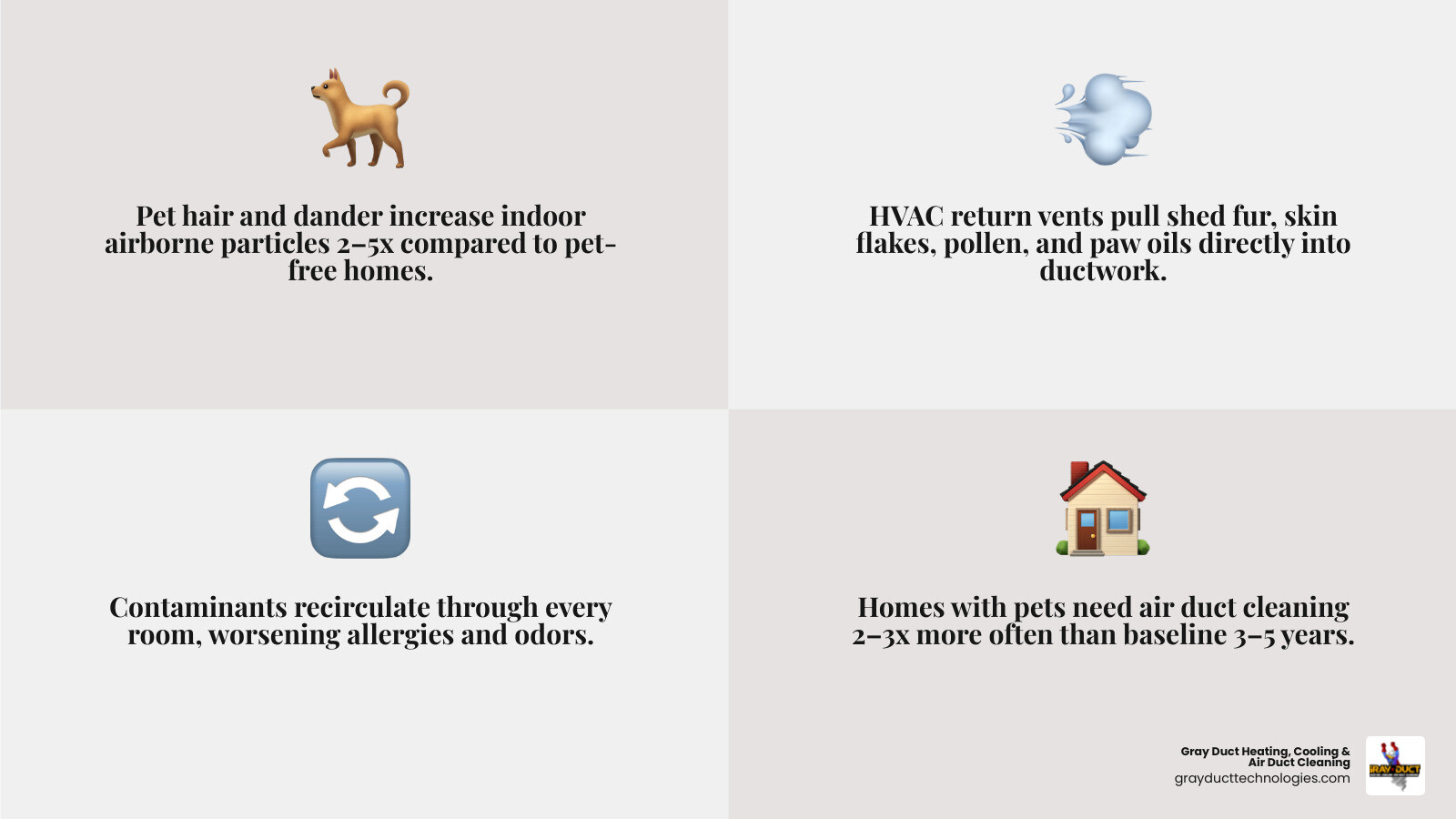
If you have pets, your air ducts fill up faster — full stop. Pet hair, dander, and odors get pulled into your HVAC system every time it runs, and they circulate through every room in your home. Research consistently shows that homes with pets can have 2–3 times the airborne particulate matter of pet-free homes. Indoor air pollutant concentrations are already 2–5 times higher than outdoor levels — and pets push that number even higher.
You might be cleaning your floors and furniture regularly, yet still notice allergy symptoms, musty smells, or stuffy rooms. If surface cleaning isn’t solving the problem, the issue is often hiding inside your ductwork.
This guide walks Twin Cities pet owners through exactly what’s happening in their ducts, how often to address it, and what steps make the biggest difference between professional cleanings.
I’m Jason Giandalia, founder of Gray Duct Heating, Cooling & Air Duct Cleaning, and after years of inspecting duct systems across the Twin Cities metro, I’ve seen how dramatically pet owners and air duct cleaning frequency are connected — the homes with the heaviest buildup almost always belong to pet households. Let’s dig into why that happens and what you can do about it.
Why Pets Make Air Ducts Get Dirty Faster
Pets are adorable. They are also tiny, lovable debris factories.
Even in a clean home, pets constantly add material to the air and floors: shed hair, microscopic skin flakes, dried saliva proteins, tracked-in dirt, pollen, and oils from their coats and paws. Once your HVAC system turns on, return vents pull a share of that material into the ductwork.
That matters because pet-related particles are especially persistent:
- Pet hair gathers near return vents and registers
- Dander is lightweight and can stay airborne for hours
- Tracked-in pollen and outdoor dust hitch a ride on fur
- Paw oils and pet odors can cling to dust inside ducts
- Pet dander can feed dust mites, and dust mites are already common in U.S. homes
Research cited in your brief notes that 84% of U.S. homes have detectable dust mite levels, and pet dander helps sustain that problem. Add in the fact that indoor pollutant levels are typically 2 to 5 times higher than outdoor levels, and it is easy to see why pet homes need more attention.
How pet owners and air duct cleaning frequency are connected
The connection comes down to volume and recirculation.
A pet does not shed once and call it a day. Shedding happens in cycles, and dander production is ongoing. Hair settles onto floors and furniture, but dander is much lighter. It can drift, get pulled into returns, stick to duct surfaces, and then re-enter the air stream later.
Over time, several things happen:
- Filters load up faster
- More debris collects in return ducts
- Fine particles keep recirculating through living spaces
- HVAC components can get dirtier, especially with heavy system use
- Odors become more noticeable when the system starts up
This is why standard “every 3 to 5 years” advice often falls short in pet homes. For a broader overview of timing, see how often should you clean air ducts.
How pet dander, fur, and odors affect HVAC systems and air quality
Pet debris does not just sit there looking rude. It can affect comfort, cleanliness, and system performance.
Hair and dust can collect on grilles, inside returns, and around filters. Dander can move deeper into the system. In homes with humidity issues or heavy seasonal HVAC use, debris can also contribute to grime on critical components. When airflow is restricted, rooms may feel stuffy or unevenly heated and cooled.
Pet-related buildup can also affect indoor air quality in ways homeowners notice quickly:
- More frequent dusting
- Respiratory irritation
- Itchy eyes or sneezing indoors
- Lingering “wet dog,” litter box, or stale-air smells
- Air that feels less fresh even after cleaning surfaces
If your goal is cleaner, healthier indoor air, our guide to air duct cleaning for improved indoor air quality goes deeper on the whole-home benefits.
Pet Owners and Air Duct Cleaning Frequency: How Often Should You Schedule Service?
For most homes without special concerns, NADCA guidance often lands in the 3 to 5 year range. But pets change that baseline.
A better rule of thumb for pet households is:
- 1 pet, no allergies: every 2 to 3 years
- 2 or more pets: every 12 to 24 months
- Pets plus allergy or asthma concerns: every 6 to 12 months
We also recommend an annual inspection mindset. You may not need full cleaning every single year, but checking your system, filters, vents, and symptoms yearly helps you catch buildup before it becomes a bigger issue.
Recommended air duct cleaning frequency for 1 pet, 2+ pets, and allergy households
Here is the practical breakdown we use for homeowners across Minneapolis, Saint Paul, Bloomington, Lakeville, Eden Prairie, Woodbury, and surrounding Twin Cities communities.
| Household Situation | Suggested Frequency | Why |
|---|---|---|
| No pets, average home | Every 3-5 years | Typical baseline for normal dust levels |
| 1 pet, average shedding | Every 2-3 years | Added hair, dander, and odor load |
| 2+ pets | Every 12-24 months | Much higher debris volume and faster filter loading |
| Pets + allergies or asthma | Every 6-12 months | More sensitive occupants need tighter control |
| Heavy shedders or high HVAC use | Closer to 12 months | Buildup happens faster |
This schedule lines up with the research you provided and with what we commonly see in the field. If you want more timing guidance, visit How Often Should You Clean Air Ducts.
Why the shorter schedule in allergy households? Because pet dander does not have to be visible to cause problems. It is microscopic, sticky, and easy to recirculate. More than 20 million Americans live with dust mite allergy, and pet dander can make that environment worse.
Factors that change pet owners and air duct cleaning frequency
Not every pet home is the same. A single short-haired cat in a hard-floor condo is different from three large dogs in a carpeted suburban home with kids running in and out all day.
The biggest factors include:
- Number of pets
- Breed and shedding level
- Long-haired vs. short-haired coats
- Whether pets are indoors full time
- Carpeted rooms vs. hard floors
- Household allergies or asthma
- How often your HVAC system runs
- Filter quality and replacement habits
- Indoor humidity
- Pollen-heavy seasons in Minnesota
- Whether smokers, young children, or multiple occupants add to the particle load
Regional conditions matter too. In Minnesota, we run heating systems hard in winter and cooling systems in summer. That means a lot of annual air movement through ductwork. Spring and fall also bring pollen and outdoor debris that pets can track indoors on fur and paws. That combination can shorten the time between cleanings.
For a more general discussion of timing factors, read How Often Should Air Ducts Be Cleaned.
Signs Your Pet Household Air Ducts Need Cleaning Sooner
Sometimes the calendar says you can wait. Your vents disagree.
If you have pets, the best schedule is part time-based and part symptom-based. In other words: if your home is showing signs, do not wait just because you are “not due yet.”
Top warning signs in homes with cats, dogs, and other shedding pets
Watch for these common clues:
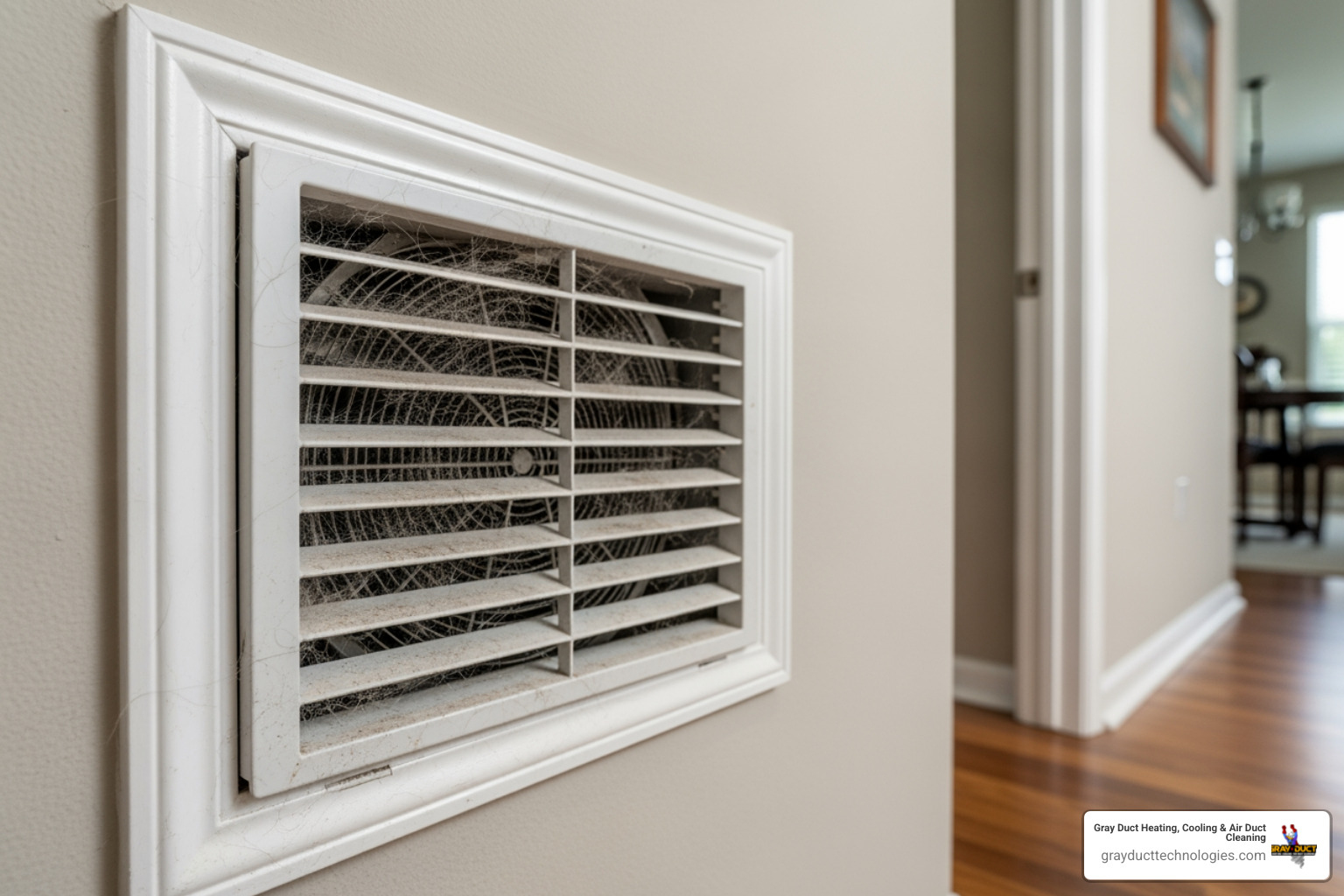
- Visible dust or hair around supply and return vents
- Little puffs of fur near grilles
- Dirty vent covers shortly after cleaning
- Persistent pet smell when the system starts
- Weak airflow from some registers
- Rooms that feel stale or stuffy
- More hot and cold spots in the home
- Increased indoor sneezing, coughing, or itchy eyes
- HVAC filters getting dirty unusually fast
- More dust on furniture even after regular cleaning
These are especially common in homes with multiple pets, heavy-shedding breeds, or homes where pets spend a lot of time near return vents.
If allergy symptoms are part of the picture, our article on air duct cleaning for allergy relief may help connect the dots.
When odors and allergy symptoms point to duct contamination
Odors are often the giveaway. Many homeowners scrub floors, wash pet bedding, clean upholstery, and still notice a smell that returns every time the HVAC system kicks on. That usually means the source is not only on surfaces.
Pet-related smells that may point to duct contamination include:
- Wet dog odor
- Litter box smell that seems to travel
- A stale, dusty smell from vents
- A musty smell during AC season
- Paw-related odors that seem to linger in the air
And then there is the allergy side. Pet dander proteins are a common trigger, even for people who do not think of themselves as “pet allergic.” If you feel better outside than inside, or worse in rooms where airflow is weaker, duct contamination may be part of the problem.
Here are the biggest pet-related duct red flags:
- Odors return quickly after surface cleaning
- Symptoms flare when heat or AC turns on
- Hair is visible around returns
- Dust builds up fast on dark furniture
- Filters clog in 30 to 60 days
- Airflow seems weaker than usual
- One or more rooms always feel stuffy
Filters, Habits, and Seasonal Steps That Reduce Buildup Between Cleanings
Professional cleaning matters, but everyday habits matter too. The goal is not to make your home pet-free. Good luck with that. The goal is to keep fur and dander from constantly feeding the duct system.
Best MERV-rated filters for homes with pets
For most pet homes, the sweet spot is usually a quality pleated filter with a MERV rating that improves capture without choking airflow.
General guidance:
- MERV 8: Basic improvement over cheap fiberglass filters; okay for lighter pet loads
- MERV 11: Strong choice for many pet homes; can capture a high percentage of smaller particles
- MERV 13: Better fine-particle capture, often helpful in allergy homes, but only if your system is designed to handle it
The best filter is not automatically the highest number. Your HVAC system has to move enough air. If a filter is too restrictive for the equipment, performance can suffer. That is why we recommend balancing filtration and airflow rather than guessing.
For homes with pets, filters usually need to be changed every 30 to 60 days, compared with 60 to 90 days in many pet-free homes. High-shedding breeds or multi-pet households may need the shorter end of that range.
For more on indoor air quality support, see Air Duct Cleaning For Indoor Air Quality.
Daily and weekly habits that keep fur and dander out of ducts
These simple habits make a real difference:
- Brush pets regularly, ideally outside
- Vacuum carpets, rugs, and upholstery at least twice weekly with a HEPA vacuum
- Wash pet bedding weekly in hot water
- Wipe paws after outdoor walks
- Clean litter areas often
- Keep return grilles free of dust and fur
- Replace HVAC filters on schedule
- Control humidity to discourage dust mites and musty smells
- Seal obvious duct leaks if identified during service
- Consider room or whole-home air purification if allergies are a concern
In Minnesota, we also suggest seasonal adjustments:
- Spring: increase grooming and entryway cleaning during pollen season
- Summer: monitor humidity and cooling performance
- Fall: check filters after shedding cycles and before heating season
- Winter: stay on top of filters because homes stay closed up and systems run longer
These routine habits support the benefits of Importance Of Regular Air Duct Cleaning.
What Professional Air Duct Cleaning Involves for Pet Homes
A proper cleaning for a pet home should do more than wave a vacuum hose in the general direction of a vent and hope for the best.
Professional air duct cleaning typically involves creating negative pressure in the system so loosened debris is captured rather than blown back into the home. Tools are used to agitate and remove buildup from supply and return ductwork, and the system is cleaned methodically to contain debris.
In pet-heavy homes, we pay especially close attention to:
- Return ducts, where hair often collects
- Registers and grilles
- Filter areas
- Accessible buildup near system components
- Signs of debris affecting airflow or cleanliness
Is professional duct cleaning safe for pets?
Yes, when handled properly, professional duct cleaning is safe for pets.
That said, pets are usually happier if they are kept away from the work area during service. The process can involve equipment noise, open access to vents, and technicians moving through the home. We often suggest:
- Keeping pets in a closed room away from the active work area
- Using a crate if that is part of your normal routine
- Letting us know if your pet is anxious, elderly, or likely to dart out the door
- Waiting until service is complete before letting pets roam the cleaned areas
The goal is a controlled, non-toxic cleaning process with debris safely contained and removed. Afterward, many homeowners notice fresher air and less circulating dust.
For a pet-specific overview, read Air Duct Cleaning For Pet Owners.
Extra services that benefit pet owners most
Air duct cleaning is often the centerpiece, but it is not the only service that helps pet households.
The most useful add-ons and related services include:
- Dryer vent cleaning
- A/C coil cleaning
- HVAC maintenance and inspection
- Indoor air quality products such as UV lights
- Humidifiers for better seasonal balance
- Enhanced filtration options
Why these matter:
- Dryer vent cleaning removes lint and trapped pet hair that can restrict airflow
- A/C coil cleaning helps cooling performance and can reduce grime-related odor issues
- UV lights and air quality products can support cleaner indoor air
- Humidity control can help with comfort, dust, and seasonal dryness
If you want to understand the bigger picture, our post on Regular Air Duct Cleaning Benefits is a helpful next read.
Conclusion
If you have pets, a one-size-fits-all cleaning schedule rarely works. The right timing depends on how many pets you have, how much they shed, whether anyone in the home has allergies or asthma, and how heavily your HVAC system runs through Minnesota’s seasons.
As a simple rule:
- 1 pet: every 2 to 3 years
- 2 or more pets: every 12 to 24 months
- Pets plus allergies or asthma: every 6 to 12 months
The payoff is straightforward: cleaner air, fewer odors, better airflow, and less pet-related dust and dander circulating through your home.
At Gray Duct Technologies, we help homeowners across Minneapolis, Saint Paul, Apple Valley, Burnsville, Lakeville, Plymouth, Maple Grove, Rochester, and the surrounding Twin Cities and South Metro communities create practical maintenance plans for healthier indoor air. As a family-owned company, we handle air duct cleaning, dryer vent cleaning, A/C coil cleaning, and in-house HVAC services with our own team, so you get a more consistent experience from start to finish.
If your vents are collecting fur, your filters are clogging fast, or your house still smells a little too much like your pets after cleaning, it may be time to take a closer look. Learn more about our Air Duct Cleaning service and when it makes sense for your home.
Need HVAC Help?
Our NADCA-certified technicians are ready to help with all your heating, cooling, and air quality needs.
Get Free EstimateMore Articles
 HVAC Tips
What to Do When Your AC and Furnace Share the Same Air Filter
 HVAC Tips
Addressing Drafty Rooms Before Winter: Duct Sealing vs. Window Replacement
 HVAC Tips
Dryer Vent Routing: Rigid Metal vs. Flexible Foil in Cold Climates
 HVAC Tips
Why We Inspect the Heat Exchanger So Closely During Fall Maintenance
 HVAC Tips
Upgrading to a Two-Stage Furnace: Is the Investment Worth It in Minnesota?
Related Articles
Ready to Get Started?
Whether you need a repair, maintenance, or a new system installation, our expert team is here to help.